

Westfalia Fruit is introducing a new development within its premium avocado portfolio at FRUIT LOGISTICA 2026. What differentiates this offering in terms of eating quality, branding, and value creation for retailers and foodservice partners?
At Fruit Logistica this year, our focus is on demonstrating how premium avocados can deliver a fundamentally better experience for consumers while creating meaningful value for our customers. The developments we are presenting reflect several years of work to elevate eating quality, consistency and clarity for the market.
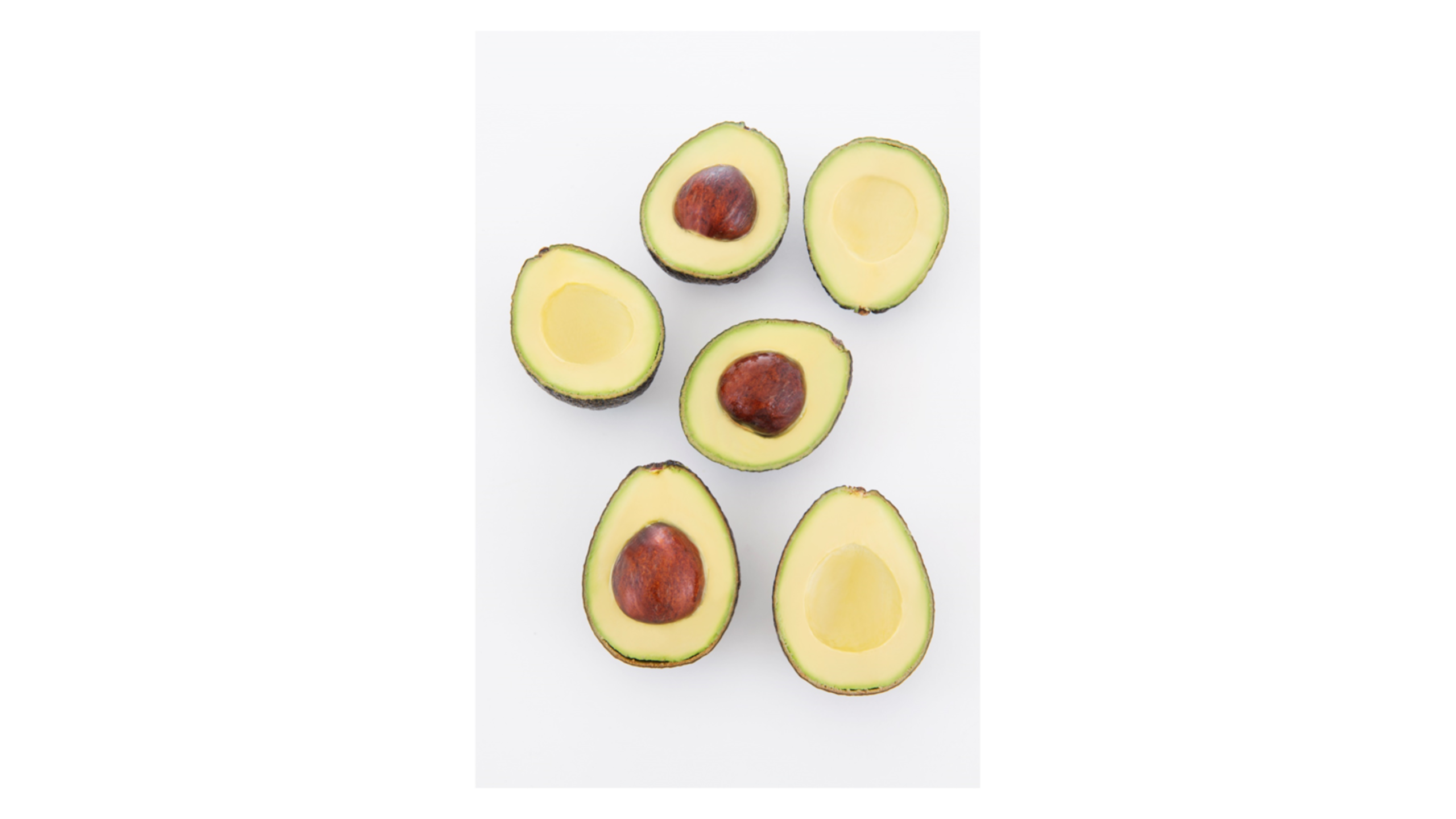
What sets our premium portfolio apart is first and foremost the eating quality. Consumers recognise the naturally creamy texture and subtle, nutty flavour of varieties such as GEM®, and these attributes are remarkably consistent thanks to our maturity selection and post-harvest innovation. Reducing the risk of disappointment is essential to unlocking repeat purchases, and this is where GEM®, stands out.
For retailers and foodservice partners, the value creation is very tangible. Premium lines attract new shoppers, trade existing ones up and deliver incremental category value. For foodservice, the consistent specification and predictable yield ensure better portion control and less waste in the kitchen. Altogether, this makes our premium portfolio both a consumer win and a commercial opportunity.
Retail performance data shows that around 40 percent of GEM® shoppers are new to the avocado category, while approximately 80 percent of GEM® sales are incremental rather than substitutive. In addition, around 30 percent of existing shoppers trade up to premium, supporting a price premium of roughly 50 to 60 percent versus standard avocados.
How is Westfalia Fruit strengthening consistency and efficiency aacross its global supply chain through advances in processing, ripening, and packaging, and how do these capabilities support premium positioning while reducing waste?
Across the entire Westfalia Fruit network, we are scaling technologies and practices that improve consistency, reduce waste and make premium programmes more reliable. These innovations are not isolated projects; they are part of a coordinated supply chain evolution.
In ripening, we are extending shelf life and condition through Ripelocker trials across Peru, Colombia and South Africa. This technology helps us protect fruit integrity, bridge seasonal gaps and maintain availability of premium lines throughout the year. Our investment in PEF ripening also improves homogeneity, reduces energy consumption and accelerates the ripening cycle, all of which strengthen the premium promise.
Precision selection technologies such as Neolithics improve homogeneity going into ripening. This reduces rework, improves first-time-right outcomes and elevates overall consistency. Together, these capabilities support a premium positioning built on reliability.
Digitalisation and AI are increasingly shaping fresh produce operations. How is Westfalia Fruit leveraging data, AI, or smart technologies to enhance forecasting, quality control, and decision‑making across farming, processing, and distribution?
Digitalisation is now central to how Westfalia Fruit manages quality and reduces risk across the value chain.
We are deploying predictive tools that transform how we plan and manage ripeness. Smart Ripe uses RFID tags and modelling to anticipate ripeness windows more accurately, which allows us to plan allocations more intelligently and reduce destructive testing.
In parallel, technologies such as BioScout help detect pathogens before they are visible, enabling targeted interventions. Our use of data loggers provides real-time visibility into journey conditions and strengthens forecasting.
Sustainability remains central to long-term category resilience. How does Westfalia Fruit integrate responsible processing practices, sustainable packaging solutions, and environmental stewardship into its broader innovation and premium strategy?
At Westfalia Fruit, sustainability is an integral part of how we create value. Our approach is built on responsibility, circularity and continuous improvement across the supply chain.
Our Total Crop Use ‘Whole Tree’ approach ensures that every part of the avocado contributes to value creation. Fresh fruit goes to retail and food service, while convenience solutions such as guacamole, oils and frozen formats offer a wide range of options for consumers. Natural co-products like skins and stones are transformed into cosmetic-grade oils, natural dyes, fibres and starches for more sustainable packaging materials.
Importantly, the scalability of our circular model is underpinned by the growth of our convenience portfolio. As consumers increasingly choose guacamole and other processed avocado formats, we generate the volumes required to scale by-product utilisation.
We also invest in responsible processing technologies. UV-C treatment helps reduce reliance on chemical interventions. Microbiome solutions offer a natural alternative for pathogen control. PEF ripening allows us to reduce energy use substantially. On the packaging side, innovations such as Perfotec biodegradable liners and CocoPallets support lower-impact logistics.
All these initiatives reinforce our premium positioning. Today’s premium consumer cares about quality, consistency and environmental impact, and we see sustainability as a fundamental part of the promise we deliver.
Looking ahead to 2026 and beyond, what key trends, challenges, or opportunities does Westfalia Fruit anticipate for the avocado category, and how is the company positioning itself to stay ahead in a rapidly evolving market?
In European markets, growth will increasingly come from value per occasion rather than volume, particularly as avocados still have relevance in over 98 percent of eating occasions yet to be activated.
We expect premiumisation to continue accelerating, with consumers seeking products that deliver superior eating quality and reliability. At the same time, technological advances in ripening, storage and sensing will become essential tools to stabilise quality in a more volatile world. Retailers will increasingly demand transparency, consistency and circular solutions across the supply chain.
The main challenges ahead relate to climate variability, cost pressures and logistics complexity. These require more efficient storage models, stronger predictive tools and deeper collaboration with retail partners.
The opportunities, however, are substantial. Westfalia Fruit is expanding its premium portfolio, scaling digital capabilities and accelerating its circular innovation strategy. By combining strong eating quality, sustainability credentials and best-in-class supply chain performance, Westfalia Fruit is positioning itself to lead the next chapter of growth for the global avocado category.