


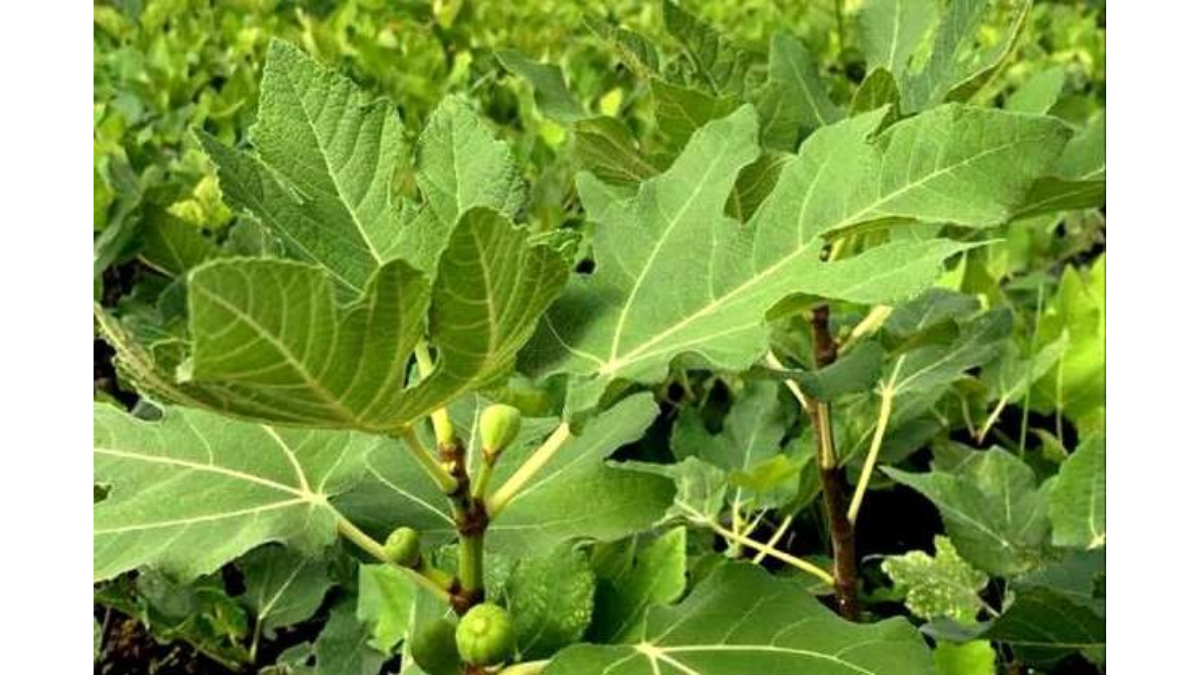
The fig is a fruit that is gaining ground for various reasons. The lack of water, the rapidity of the mutation of pests and the excessive heat, make many farmers look for alternatives of cultivation.
“The market of the fig tree grows in volume and diversification. The consumption in tons per year increases and diversifies. More varieties of production of fresh fig and of dried fig are asked for, from the usual skins such as the yellow, green, red or Tiger to fruits of different calibers to fulfill with the clients of hospitality. The fig is a market on the rise and the best is that the fig tree confronts very well the climate change,” opines Francisco Toro manager of Viveros Dalia.
Some of the reasons for which increases the plantation of fig tree lie in that “it is a tree well adapted to the heat, but, moreover, it stands out for how it confronts the climate change. It is of the plants with more resistance to poor soils with high content in salinity, it has a thermal range that makes it support extreme temperatures, the heat and the drought, as well as light frosts.”
For all this, Toro underlines that “the water or thermal stress are not a problem” and that, due to these reasons, “in Portugal this cultivation is being subsidized because it has a low consumption of water.”
Compared with other intensive or super intensive plantations of stone fruit or pome fruit, according to Toro “the fig tree would need a support of irrigation, but it would consume 60% less of water and in the case of the dried fig, 70%.”
The majority of varieties produce between June and September figs and brebas. Their productivity in a modern installation “can reach to give between 25,000 and 35,000 kilos yearly per hectare, while in dried fig we would speak of some 12,000.”
Together with the rusticity and environmental tolerance, the number of pests that affect it is very reduced, “with a good maintenance of the exploitation there should not have to be problems,” underlines the manager and adds that “the fig tree stands out for its long useful life; a well-maintained exploitation can surpass the 35 years.”
Fresh fig vs. Dried fig
“We are in a similar production of fresh fig and dried, but it seems that the fresh is imposing itself; in fresh, there are new varieties that at the productive level are better and with good organoleptic characteristics, like its type of skin, content of sugar and aptitudes for direct consumption. There is more diversity to reach all the tastes, for that, I imagine that the fresh gains much ground,” explains Toro.
In the dried, the manager of Viveros Dalia highlights the varieties Calabacita and Cuello de Dama Blanco. In the fresh, to the traditional Colar de Elche and Cuello de Dama Negro, are added Brown Turkey and Damaltie, “varieties from outside that the market is demanding,” points out Toro.
Viveros Dalia is specialized in production of fig tree plant of national and international varieties, from the most consumed in Europe as at the level of collection. In around 4 hectares are produced an average of 250,000 units of fig tree per campaign. The preferred regions are all the Spanish except some of the Cantabrian Coast. France, Italy, Portugal or Holland are other preferred destinations apart from the Mediterranean field. “There is a commitment for the fig tree because it helps to confront the climate change with something more of tranquility for the farmer,” concludes the responsible.